October 11, 2014

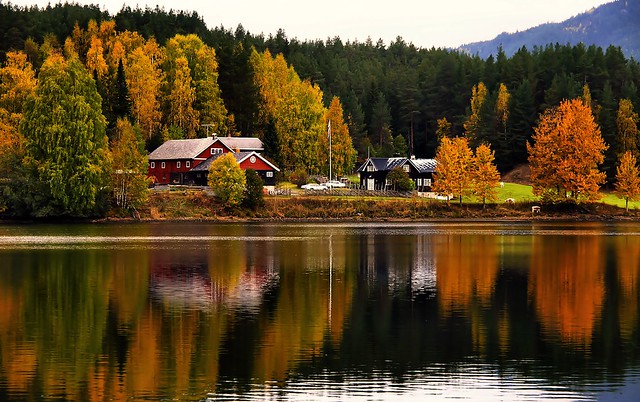
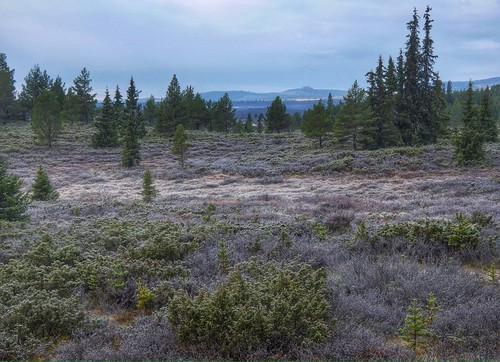
Valdres, Oppland, Norway. Frost morning

 
Valdres, Oppland, Norway. Frost morning
 
We are up at our place in the low mountains in central Norway.
Tonight we had some frost (-3C) and the soil was typical grey and cold as you find it on such mornings.
 
This photo with the view from our mountain house up in Tisleidalen.
 

October 9, 2014

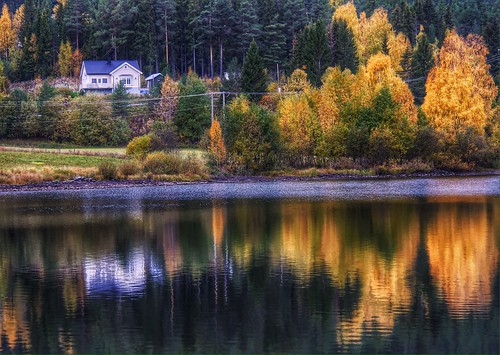
Valdres, Norway. Autumn by Strandafjorden

Valdres, Norway. Autumn by Strondafjorden

This time of the year. Autumn and shorter days before the first snow up here in the low mountains in Central Norway.

In our mountain house the temperature is now under 0C each night and the first wet snow is expected within a few days.

October 7, 2014

Tisleidalen, Valdres, Norway. Autumn moods


Tisleifjorden, Valdres, Norway under heavy clouds in October


Glimse of sun by the Tisleia River, Valdres, Norway

October 3, 2014

This time of the year in Nord-Aurdal, Oppland, Norway


On my road to our mountain house we pass valleys set in the colors of the fall.

Here some fine fall photos along a small lake in Nord-Aurdal, Norway.

September 30, 2014

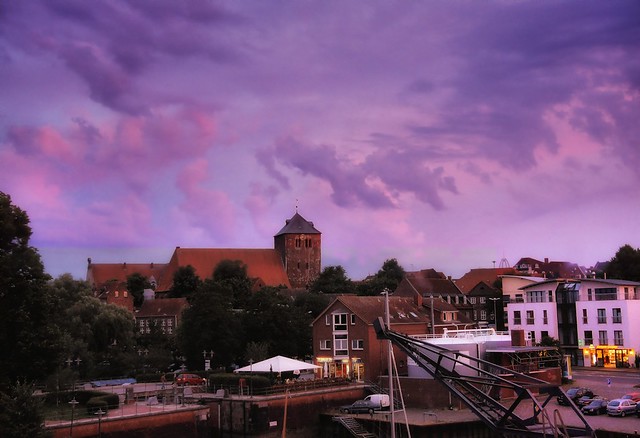
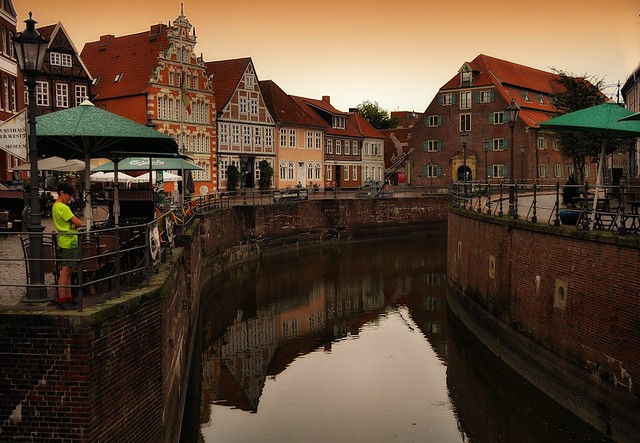
A pink afternoon in the old town Stade outside Hamburg, Germany

A pink afternoon in the old town Stade outside Hamburg, Germany

The old town Stade was not bombed under the WWII and remains as it have been through the centurys.

Here in a pink version of a summer afternoon. This was the day before we had some serious rain, hail and thunder.

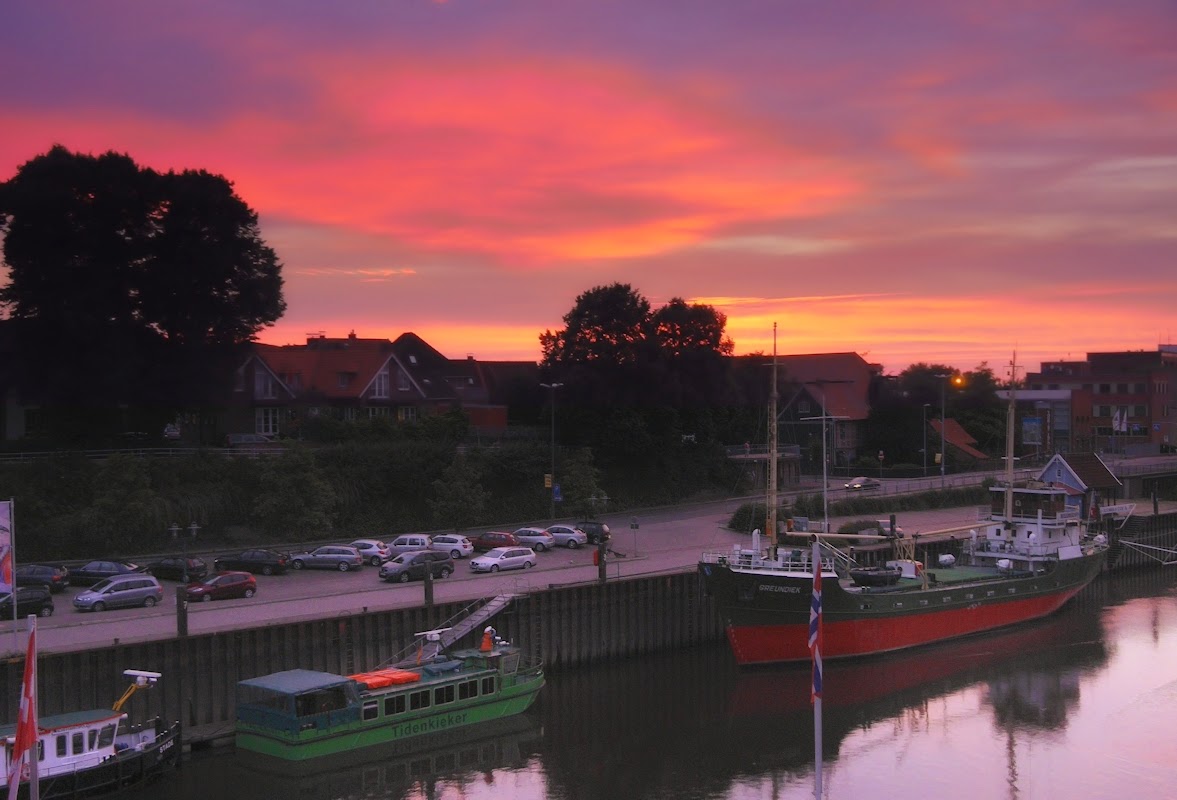
Below another afternoon version from the old harbor in Stade.


Cobbled street in old town, Stade

More from the net:
Stade is a city in Lower Saxony, Germany, and part of the Hamburg Metropolitan Region (Metropolregion Hamburg).

The city has a population of around 45,152. Administratively, it is the seat of the Stade district which covers approximately 1,266 sq kms.

Water plays the most important part in Stade, which becomes evident at the Old Hansa Harbour with its pretty 17th-century houses, where there is the Fish Market with its reconstructed wooden crane and tread mill, framed by the walls of the quay and some splendid half-timbered houses. In the streets of the old town there are monuments of almost all historical architectural styles, ranging from Gothic to post-modern.

The first human settlers came to the Stade area in 30,000 BC. The city was founded in 994 and, in 1209, Stade received the "Stadtrecht" (town privileges).

In medieval times (from the 1200s to the late 1600s), Stade was a prominent member of the Hanseatic League, but was later eclipsed by Hamburg. Stade was also occupied by Sweden from 1645 to 1712, and some of the buildings built by the Swedes are still in use today. In 1355 and in 1712, Stade suffered a plague epidemic which killed at least 30-40% of the city's population. During World War II, Stade remained completely untouched by allied bombings.

September 28, 2014

Relaxed city life in the old town Stade outside Hamburg, Germany

Relaxed city life in the old town Stade outside Hamburg, Germany

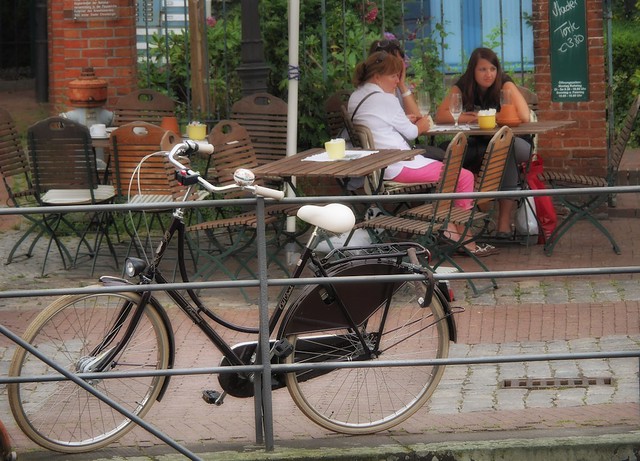
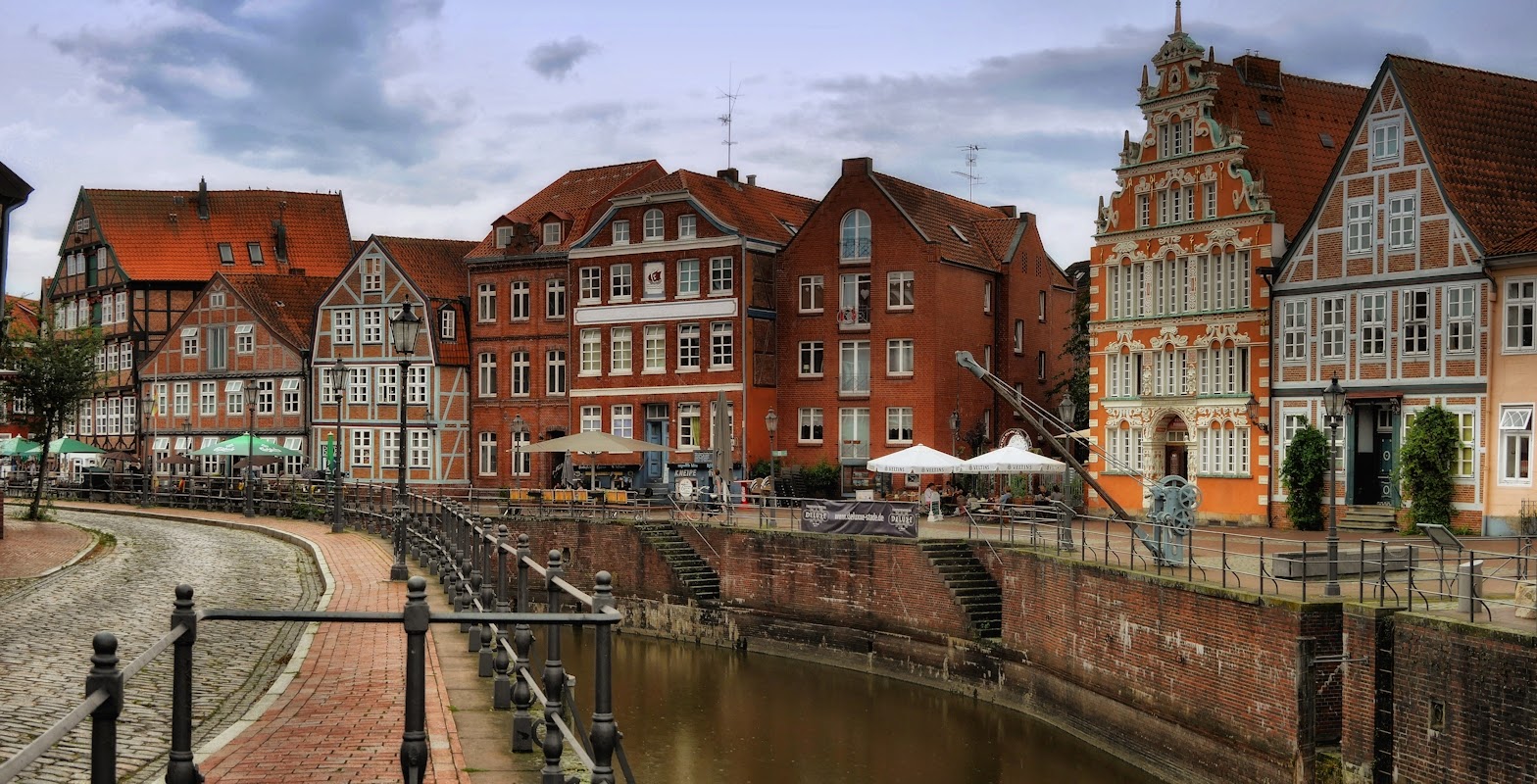
The old town Stade was not bombed under the WWII and remains as it have been through the centurys. Here by a cafe along the canal in the old town.


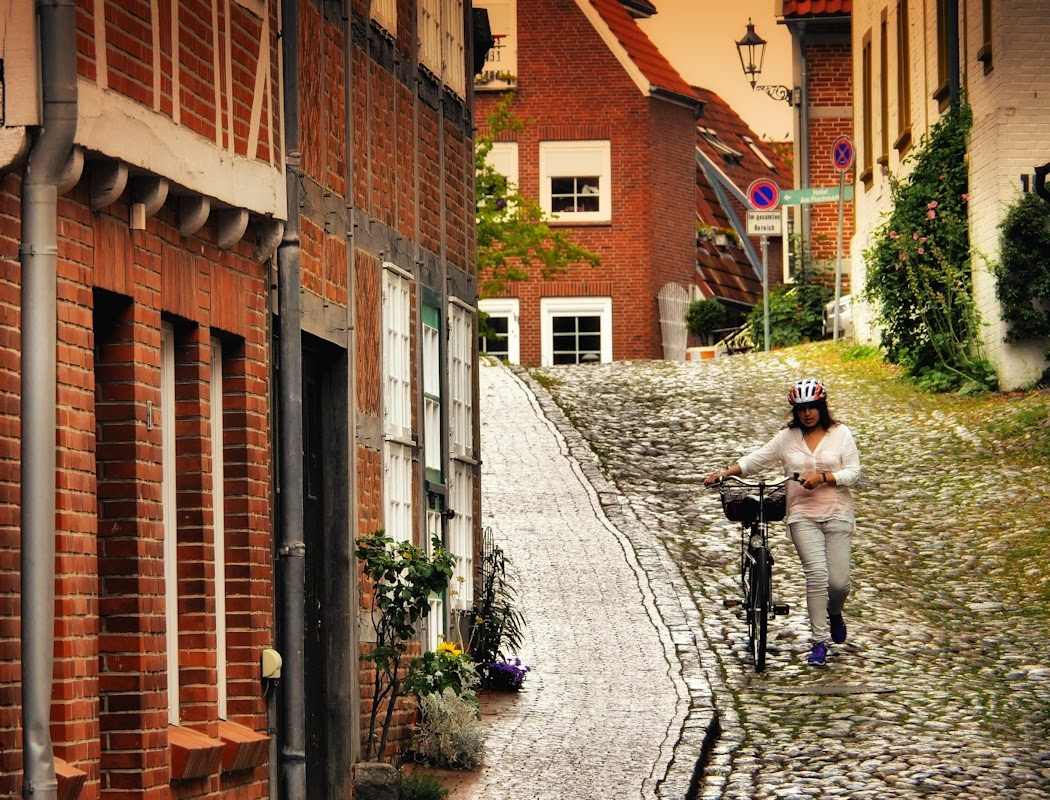
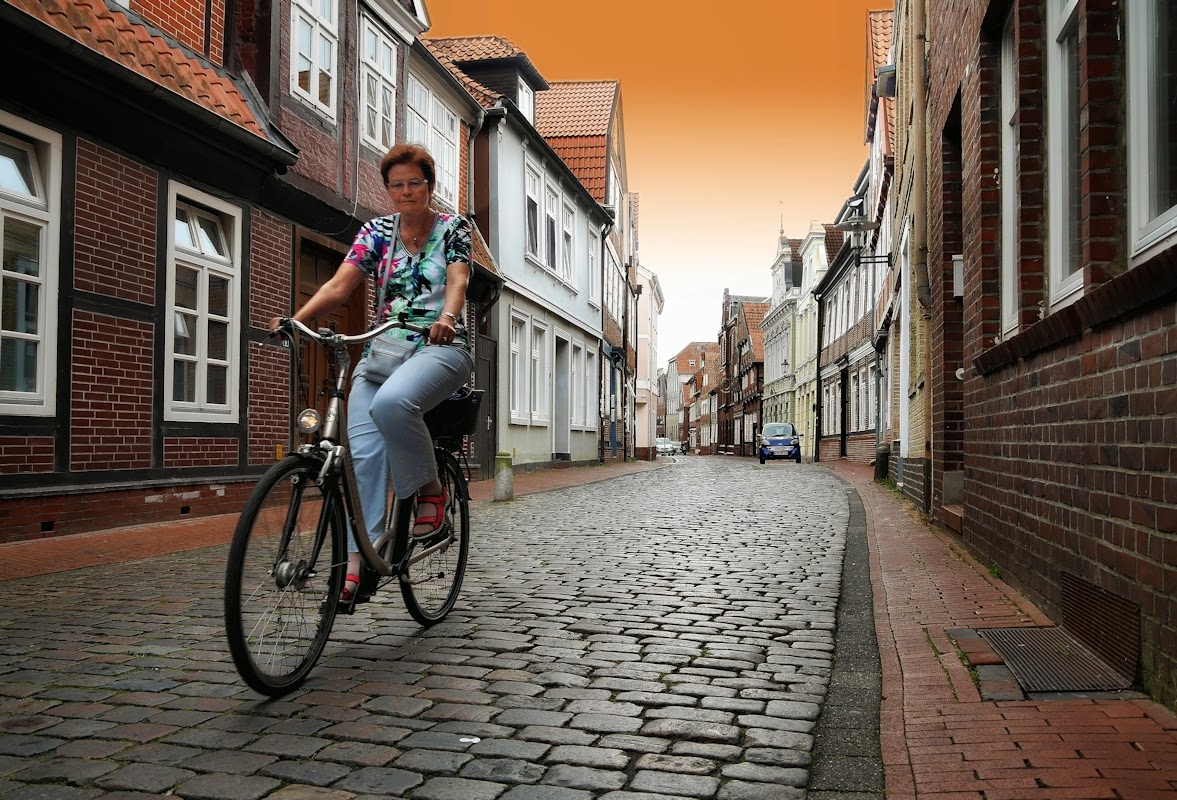
Another biker in the cobbled streets of oldStade


Old town by the canal in Stade - 2 photos stitched

More from the net: 
Stade is a city in Lower Saxony, Germany, and part of the Hamburg Metropolitan Region (Metropolregion Hamburg). The city has a population of around 45,152. Administratively, it is the seat of the Stade district which covers approximately 1,266 sq kms. 

Water plays the most important part in Stade, which becomes evident at the Old Hansa Harbour with its pretty 17th-century houses, where there is the Fish Market with its reconstructed wooden crane and tread mill, framed by the walls of the quay and some splendid half-timbered houses. In the streets of the old town there are monuments of almost all historical architectural styles, ranging from Gothic to post-modern. 

 The first human settlers came to the Stade area in 30,000 BC. The city was founded in 994 and, in 1209, Stade received the "Stadtrecht" (town privileges). In medieval times (from the 1200s to the late 1600s), Stade was a prominent member of the Hanseatic League, but was later eclipsed by Hamburg. Stade was also occupied by Sweden from 1645 to 1712, and some of the buildings built by the Swedes are still in use today. In 1355 and in 1712, Stade suffered a plague epidemic which killed at least 30-40% of the city's population. 

During World War II, Stade remained completely untouched by allied bombings.

September 25, 2014

The old town Stade in Germany

The old town Stade in Germany

Just some 50km west of Hamburg you will find the  Town Stade - the old town is original from the 17th century as it was never bombed during WW II.

It is a pleasure walking the cobbled streets a fine summer evening.

With the washed out sky I like to use the coffee filter for some effect.

More from the net:
Stade is a city in Lower Saxony, Germany, and part of the Hamburg Metropolitan Region (Metropolregion Hamburg).

The city has a population of around 45,152. Administratively, it is the seat of the Stade district which covers approximately 1,266 sq kms.

Water plays the most important part in Stade, which becomes evident at the Old Hansa Harbour with its pretty 17th-century houses, where there is the Fish Market with its reconstructed wooden crane and tread mill, framed by the walls of the quay and some splendid half-timbered houses. In the streets of the old town there are monuments of almost all historical architectural styles, ranging from Gothic to post-modern.

The first human settlers came to the Stade area in 30,000 BC. The city was founded in 994 and, in 1209, Stade received the "Stadtrecht" (town privileges).

In medieval times (from the 1200s to the late 1600s), Stade was a prominent member of the Hanseatic League, but was later eclipsed by Hamburg. Stade was also occupied by Sweden from 1645 to 1712, and some of the buildings built by the Swedes are still in use today. In 1355 and in 1712, Stade suffered a plague epidemic which killed at least 30-40% of the city's population. During World War II, Stade remained completely untouched by allied bombings.


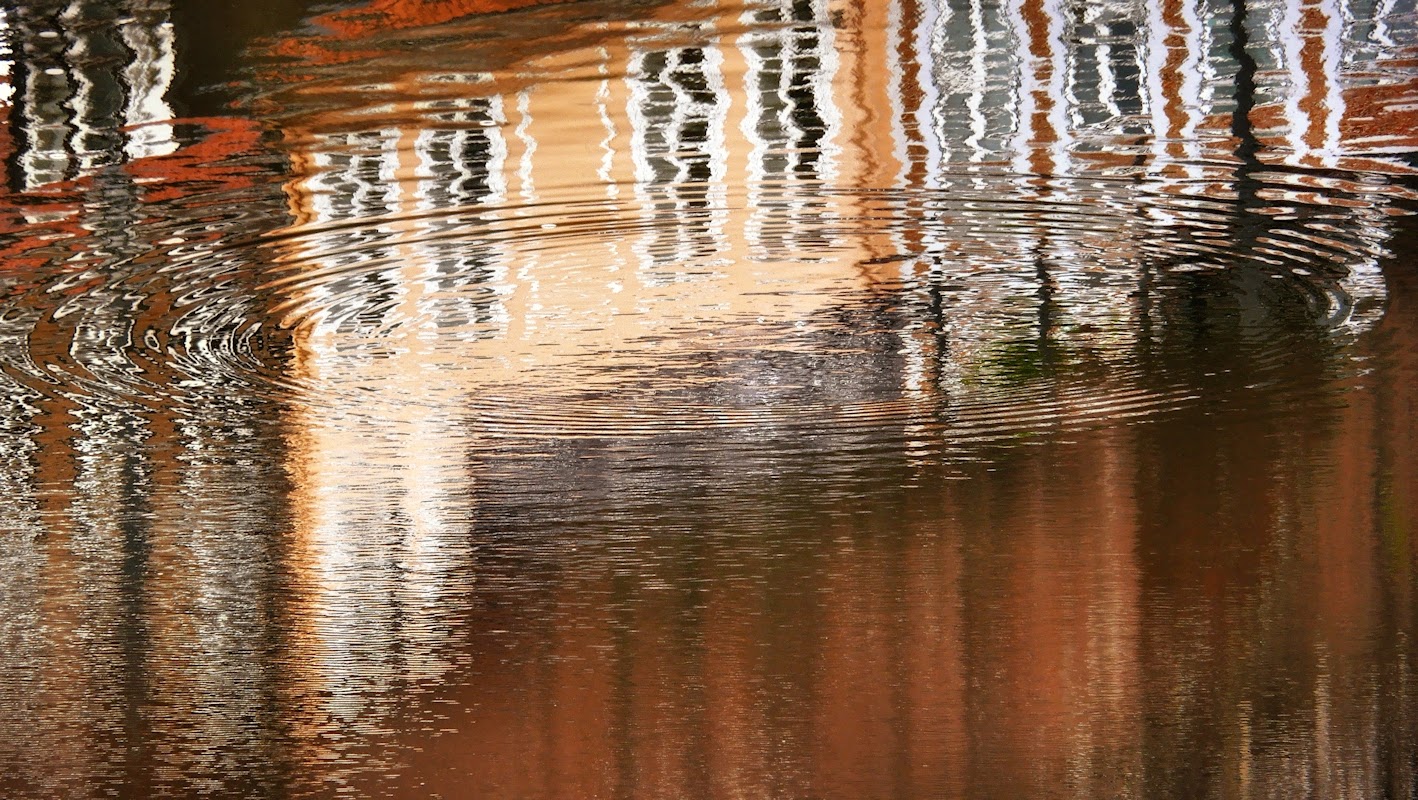
Water reflection in the canal in Stade

September 23, 2014

Biking in rain, hail and thunder. Stade, Germany

Biking in rain, hail and thunder, Stade, Germany 

 In July I spent some nights in the small town Stade, just west of Hamburg.

One of the days I went for some biking along the river Elben - crossing it two times before returning to my hotel.

On the last river crossing it was clear that the chance for rain was overwhelming and arriving at "my side" of the river with still 15km back to my hotel I had some serious rain, hail and thunder - or in general a very wet return...

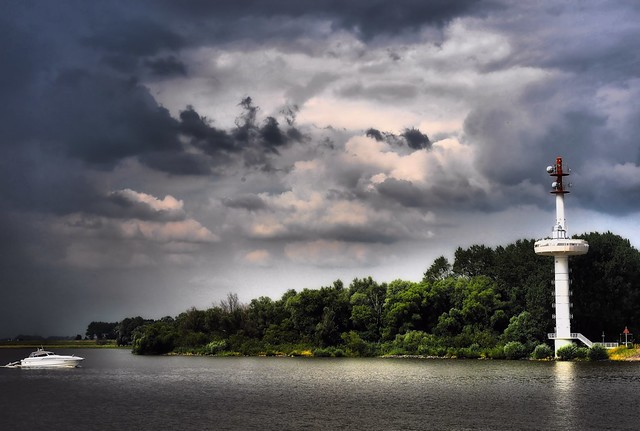
The photo above from the last river crossing as the clouds start to look threatening.

Under as I was seeking shelter at a gas station in the worst showers:


September 21, 2014

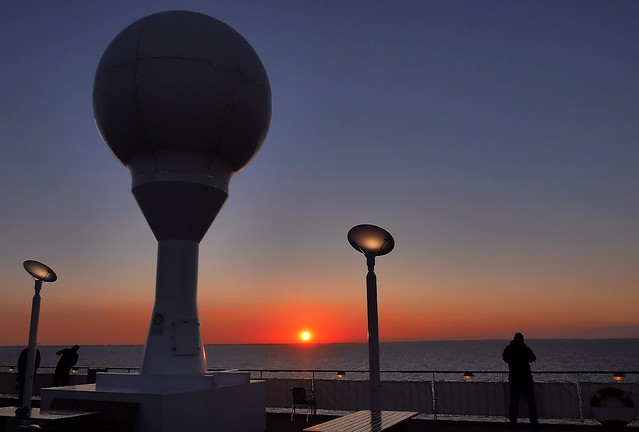
Sunset onboard MS Color Fantasy in Kattegat, Denmark

Sunset onboard MS Color Fantasy in Kattegat, Denmark

Returning home from the last weeks  with some 6.000km driving through Europe - the last leg is done with the great car ferry MS Color Fantasy from Kiel in Germany to Oslo (20hrs sailing).
In this photo pointing to the west we can see the low coast profile of Jylland in Denmark.

Be welcome also to a look at my album from those super ferries MS Color Fantasy and MS Color Magic:
www.flickr.com/photos/jrjohanson/sets/72157602110071643/

Find under another sunset variation from the ferry:


September 16, 2014

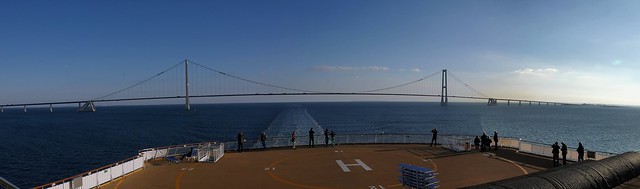
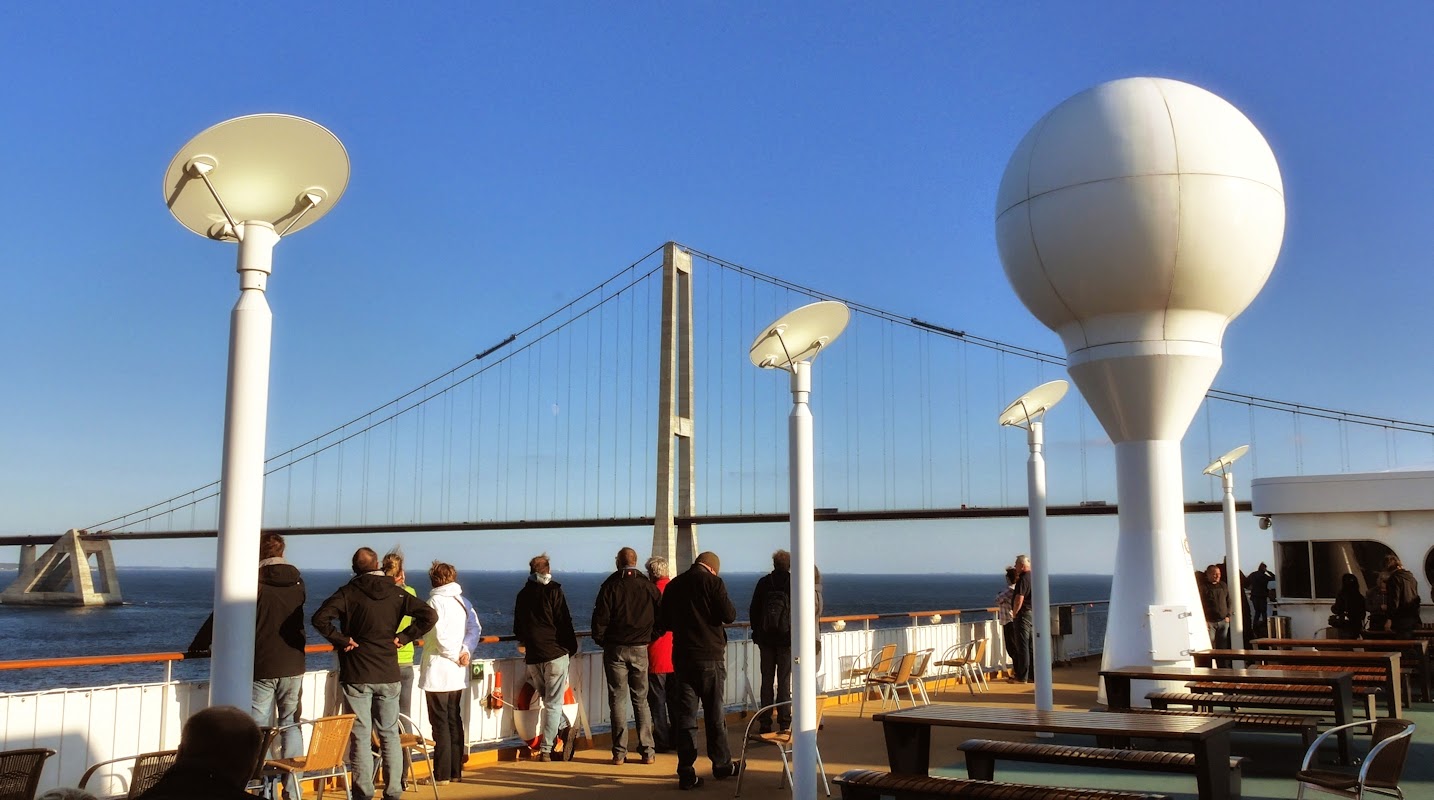
Storebelt bridge, Korsor, Denmark


Storebelt bridge, Korsor, Denmark

Very difficult to have this 18km bridge in one photo. Even this stitch of 3 offer some "strange" lines here and there...

The photo is made from the aft deck of the big car ferry MS Color Fantasy after passing under the great bridge some minutes before.

Some more of the bridge from the net:
The 18 km long fixed link across Storebælt comprises two bridges and a tunnel.
Construction work on Storebælt took place from 1988-1998. The motorway across Storebælt opened in 1998 and the railway opened in 1997.
The construction costs for the entire Storebælt project totalled DKK 21.4 billion in 1988 prices.

Find under here another photo from the car ferry just after passing the great bridge.


September 10, 2014

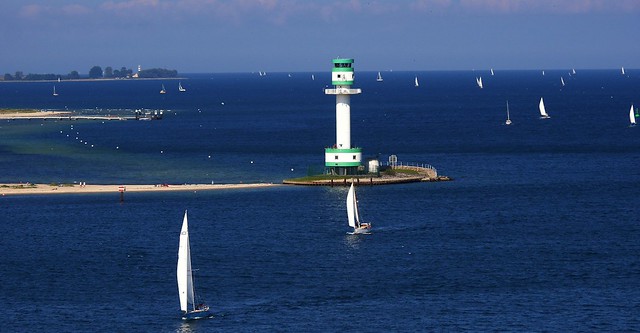
Sailing out from Kiel, Germany - en route to Oslo, Norway

Sailing out from Kiel, Germany - en route to Oslo, Norway

I am onboard the huge car ferry MS Color Fantasy on my last leg coming in my car from South of France en route to Oslo.  Taking this great car ferry saves me from driving the last app. 800 km...

Two ferries leaving at 2pm - one from Kiel, the other from Oslo. This photo is taken as we on such a fine day of September is going out to the more open sea from Kiel.

For more from these super ferries pls. visit my flickr album:
MS Color Fantasy and MS Color Magic

Find below a sharp sailer in full swing in the fine waters of the Kiel seascape


September 7, 2014

Photograping the sea -outside the coast of Denmark


On tour my last day was with the big car ferry MS Color Fantasy from Kiel, Germany to Oslo, Norway
...also other photg was in action..


September 2, 2014

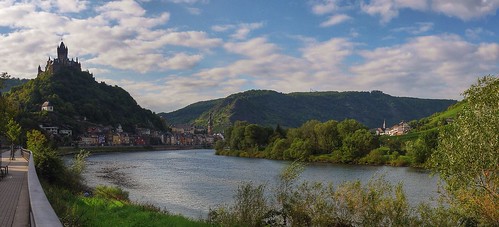
ON TOUR - a day on the road ending in Cochem, Mosel Valley, Germany

 
I started monday on my long tour home in my car - from South of France to Norway is some distance to drive.
 
Today I left France and is tonight in the small and charming village by the banks of the Mosel river: Cochem in Germany. Still many tourists around in this popular village.
 
The main photo is a stitch of 2 - while the closer look is of the significant castle - Shloss Reisburg overlooking the little town
 
 
From the net:
Cochem is a traditional German town with half-timbered houses and an exceptionally scenic location on the Mosel river in Rhineland-Palatinate, Germany. Population about 5,000 and a population of 8700 in a 7 km radius.
Cochem Castle, (Schloss Reichsburg), on its high elevation, overlooks the area. It dominates the town and is an impressive feature.


August 31, 2014

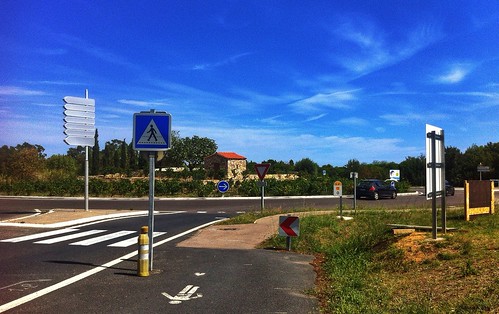
The vineyard roundabout in Argeles, South of France

 
In this region of France, Languedoc-Rousillon they have surely hundreds of roundabouts. Most of them designed in an artistic and/or creative way.
 
On my personal top list is this fantastic roundabout outside Argeles build like a small vineyard - complete with wine trees and a little rest house. Now in the end of August the grapes are ready to be picked. Maybe they later will be sold under "AOC Roundabouts - Sud du France" ....

It's BTW time to go North again, starting the long drive home, first leg planned tomorrow.

August 25, 2014

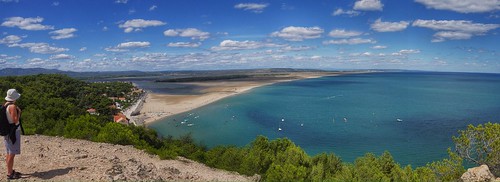
The madam at Cap Leucat, France: Looking out for pirates from the Barbary Coast


What a landscape - what a history. Cap Leucat originally a 50 meter high cliff island which today has become a penisula. Overlooking the 8km long beach Coussoules that today is a play ground for all kind of activities at sea and land (see below):
 
 
The village to the left (in the main photo), La Franqui, was in medieval times a sheltered harbour for attack from pirates, led by the legendaric pirate Barbarossa, who attacked sea travelers along the coast.
 
Even when the Moors was driven away from the mainland of France in the battle at Poitiers in 732 - they come back as pirates for almost 1.000 years from their bases in North Africa i.e. Algerie, Tunesia, Libya - the Barbery Coast.
 
They robbed ships not only for valuables but also kidnapped people for ransom or to be sold as slaves in North Africa and the Middle East. In times the life along the coast was so unsafe that only a few fortificated places was inhabited. Along this part of South of France this little village, La Franqui, with the fortified cliff was regarded as a safe heaven. North of here the next fortified place vas Agde, in the south: Collioure and Port-Vendres.
 
 
Looking down to the beach - maybe even in medieval times it may have looked in the same way when survivers after a storm was able to reach the coast and the beaches - as a contrast to the sun seekers in our time.
 
 
On top of the Cap Leucat we can still see traces of former settlement, small roads, stone fences and more details indicating the life that was up here in old times - also to support the 3 small fortifications placed around the cliff island and their app. 100 solidiers who was there to protect people from the pirates.
 
 
For all we know even those old vineyards was in use also in the far past.
 
 
Typical landscape at Cap Leucat as we find it today hiking around the small roads and paths.
 
 
After the time of the pirates Cap Leucat was a fine location to place a lighthouse - and today it is also a modern naval station up here.


The madam enjoys walking around up here in the interesting culturel landscape on top of Cap Leucat in South of France.


August 24, 2014

Tasting St. Emilion in St. Emilion - Bordeaux, France

 
In the old charming village St. Emilion right outside Bordeaux everything is about local wines.
As seen here by one of the many small places for tasting and buying local wines.
 
 
There is plenty of those grand, big Chateau's in the St. Emilion district.
 
 
Here is the madam engaged in tasting wines and learning of the Bordeaux district in the Vinoteque in Bordeaux.
 
 
Wine selections in the Vinoteque in Bordeaux.
 
 
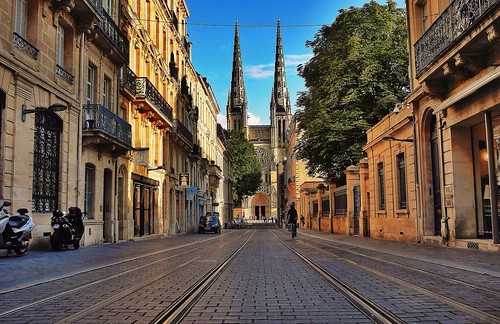
City street in Bordeaux.
 

August 22, 2014

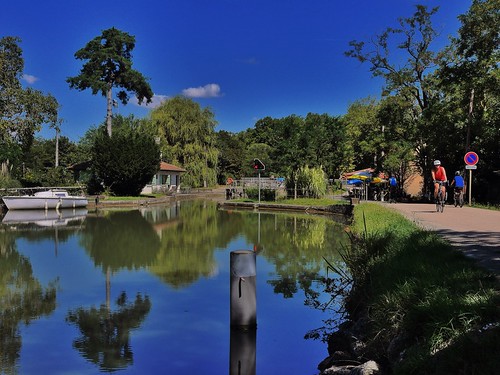
Sunday along Canal du Midi near Toulouse in France

 
What a pleasure to bike along the Canal du Midi in South of France.
Coming out of the shades from the big trees along the Canal in the center of Touluse to pop up by one of the sluices on our way - as displayed in the photo of today.
 
Some more about the canal from the net:

This 360-km network of navigable waterways linking the Mediterranean and the Atlantic through 328 structures (locks, aqueducts, bridges, tunnels, etc.) is one of the most remarkable feats of civil engineering in modern times. Built between 1667 and 1694, it paved the way for the Industrial Revolution. The care that its creator, Pierre-Paul Riquet, took in the design and the way it blends with its surroundings turned a technical achievement into a work of art.

August 19, 2014

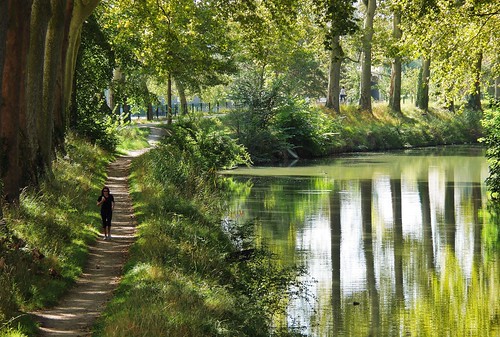
Running along Canal du Midi in Toulouse, France


We had last weekend a long bike tour along Canal du Midi in Toulouse, France.
Not only bikers was out this Sunday but also runners and walkers was met along the shaded paths under the grand trees along the shores.
We have been several times to several different places along this beautiful canal between the Atlantic and Mediterranian oceans and have only good memories from our experiences along Canal Midi.
Under a woman living a more relaxed life on a boat shored some place along the canal


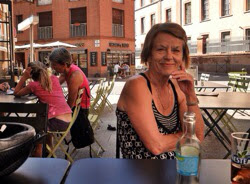
The Madam relax with an ice-tea after biking app 50 km along the Canal du Midi in Toulouse

August 13, 2014

Soon to be: A.O.C. Collioure 2014 wine from France

 
Did you know that Collioure is a part of Languedoc-Rousillon the worlds largest producer of wine.
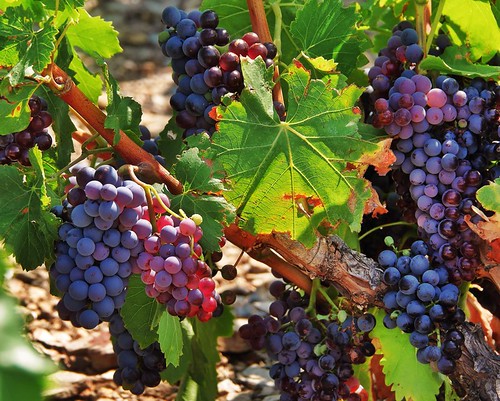
And here we are walking around in the vineyards just a few weeks before the grapes are harvested to become A.O.C. Collioure 2014 wine from France.

WIKI: The area has around 700,000 acres (2,800 km2) under vines and is the single biggest wine-producing region in the world, being responsible for more than a third of France's total wine production. As recently as 2001, the region produced more wine than the entire United States.

Wine production have a long tradition in Collioure as documented here:

WIKI: Viticulture was likely introduced to the area soon after the ancient Greeks introduced winemaking to the Languedoc are in the 6th century BC.

Under the Romans, viticulture spread throughout the area with the nearby cities of Narbonne, Carcassonne and Perpignan being major centers for the trade of Roussillon wine from areas like Collioure.

For a large part of its history, the region has been under Spanish rule and was even a part of the Catalonia region until the mid-17th century. Like other Roussillon wine regions, this Spanish influence can be seen in the types of wines produced here. Even today, wine experts such as Hugh Johnson and Jancis Robinson describe the wines of Collioure as being more like Spanish wines in profile than French.


August 12, 2014

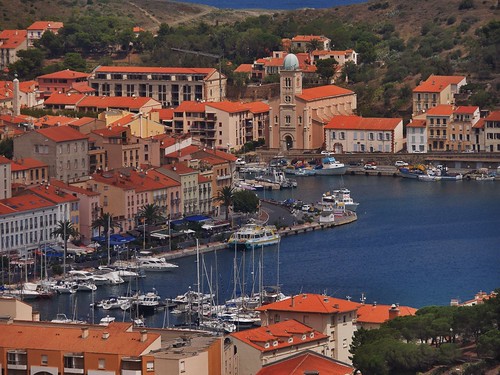
A small village called Port-Vendres in South of France


On our tours around Cote Vermeille in South of France I did this photo of the center in the small village of Port-Vendres at some distance - in a way pushing the details tighter together (effect of zoomlens)